The Intersection of Cryptocurrency Wallets and Roulette Variant Selection in Regulated Digital Platforms
Ulrich Griffin · Nov 5, 2026

The Intersection of Cryptocurrency Wallets and Roulette Variant Selection in Regulated Digital Platforms
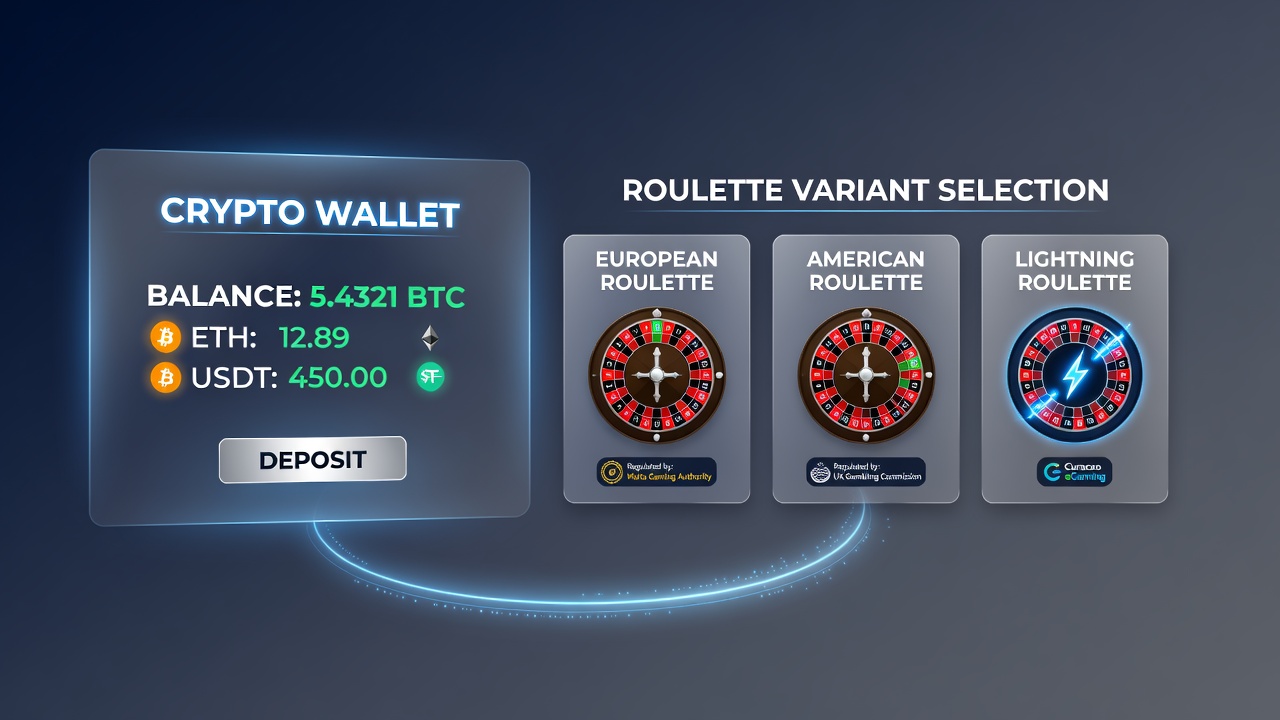
Regulated digital platforms have integrated cryptocurrency wallets into their payment systems for several years now, and this integration has created measurable shifts in how players approach roulette variant selection across different jurisdictions. European roulette, American roulette, and French roulette each carry distinct house edges and rule sets that interact with the transaction speeds and verification requirements tied to digital wallets. Data from industry reports show that wallet-enabled deposits often bypass traditional banking delays, which allows players to move between variants more fluidly during a single session.
Wallet Integration and Transaction Dynamics
Digital wallets such as those supporting Bitcoin, Ethereum, and stablecoins connect directly to platform interfaces through APIs that comply with regional licensing standards, and these connections reduce processing times from hours to seconds in many cases. Regulators in multiple regions require identity verification layers even for crypto deposits, which means players complete KYC checks before wallet balances transfer to game accounts. This process has produced consistent patterns where users with verified wallets show higher engagement with variants that offer lower house edges because the reduced friction supports repeated small bets without additional banking fees.
Studies conducted by academic research teams at institutions focused on digital finance have tracked these behaviors across platforms licensed in Malta and the Isle of Man, where crypto options expanded steadily between 2023 and 2025. Observers note that wallet users tend to select European roulette more frequently than American roulette once transaction costs drop below certain thresholds, since the single-zero layout already provides a statistical advantage that compounds over longer play periods when deposit speed remains high.
Variant Characteristics and Player Data
European roulette features a single zero and a 2.70 percent house edge, while American roulette includes both zero and double zero for a 5.26 percent edge, and French roulette adds the La Partage rule that further lowers the edge on even-money bets to 1.35 percent under specific conditions. Platform analytics from regulated operators indicate that wallet-funded accounts display elevated selection rates for French roulette during promotional periods when stake limits align with crypto volatility patterns. These selections occur because the combination of faster reload times and lower effective edges encourages extended sessions rather than quick cash-outs.
Regulatory Timelines and November 2026 Developments
Updated compliance frameworks scheduled for implementation across several European and North American jurisdictions in November 2026 will require platforms to report crypto transaction volumes separately from fiat flows, which could influence how operators present variant options to wallet users. The changes aim to align anti-money laundering protocols with existing wallet tracing tools, and early consultations with industry groups suggest that platforms may adjust default game lobbies to highlight variants with transparent payout structures once these rules take effect. Data from the Malta Gaming Authority and comparable bodies in other regions already show that clearer reporting standards correlate with increased player trust in crypto-funded play.
Geographic Patterns in Wallet Usage
Platforms operating under licenses from the Nevada Gaming Control Board and the Alcohol and Gaming Commission of Ontario report distinct regional differences in how wallet users distribute bets across variants. In North American markets, American roulette retains strong selection rates even among crypto users because many players begin with familiar layouts before exploring lower-edge options, whereas European markets show quicker migration toward French roulette once wallet integration becomes standard. These patterns emerge from aggregated transaction logs that link deposit methods to game choices without revealing individual identities.
Industry organizations such as the European Gaming and Betting Association have compiled figures indicating that crypto wallet adoption on regulated sites grew by double-digit percentages year over year through 2025, with roulette representing a significant share of that activity. The figures reveal that users who maintain balances in stablecoins demonstrate steadier selection of variants with La Partage or en prison rules because the reduced variance in coin value supports more predictable bankroll management across multiple spins.
Security Protocols and Variant Accessibility
Regulated platforms enforce multi-signature wallet requirements and on-chain verification steps that add layers of security without substantially slowing gameplay once initial setup completes. These protocols allow seamless switching between variants because account balances update in real time across European, American, and French tables. Research papers from university economics departments examining transaction data note that platforms offering side-by-side variant menus see higher overall volume when wallet connectivity remains stable, particularly during periods when cryptocurrency markets experience moderate price fluctuations rather than extreme swings.
Operators have responded by embedding educational overlays that explain rule differences directly within the wallet-funded interface, and this approach aligns with licensing conditions that emphasize informed player choice. The result appears in session-length statistics that show extended play on lower-edge variants when deposit and withdrawal pathways stay uninterrupted by external banking schedules.
Conclusion
The documented connections between cryptocurrency wallet functionality and roulette variant selection continue to evolve within regulated environments as new compliance measures approach in November 2026. Transaction speed, verification requirements, and rule transparency each contribute to observable shifts in how players allocate bets across European, American, and French formats. Aggregated data from licensing authorities and research institutions provide the factual basis for understanding these intersections without relying on individual case interpretations.